If you manage a commercial fleet, you know how important it is to find the right insurance coverage at the best price. But with so many options out there, comparing quotes can feel overwhelming and time-consuming.
What if you could quickly see side-by-side quotes tailored to your fleet’s specific needs? That’s exactly why a commercial fleet quote comparison is your smartest move. It helps you cut through the noise, save money, and protect your vehicles without hassle.
Keep reading to discover how to compare quotes effectively and get the coverage that fits your business perfectly.
Benefits Of Commercial Fleet Insurance
Cost savings happen when insuring many vehicles together. Companies often offer lower rates for fleets instead of individual vehicles. This means reducing overall expenses for your business.
Comprehensive coverage protects against many risks. It covers damage, theft, and accidents for all vehicles. This keeps your fleet safe and your business secure.
Risk management helps avoid expensive claims. Insurance also offers liability protection if your drivers cause harm. This reduces your financial risks and legal trouble.
Factors Affecting Fleet Insurance Quotes
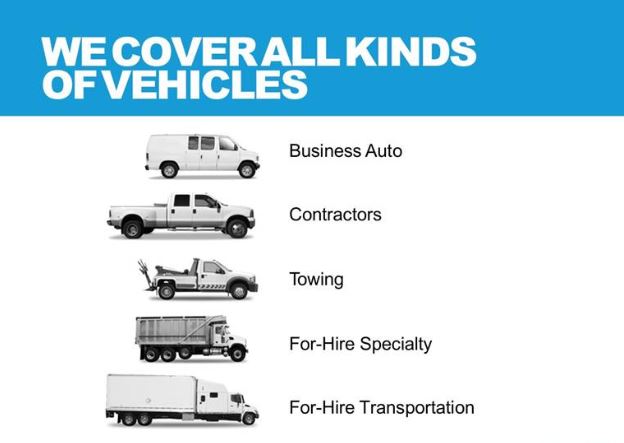
Number and types of vehicles greatly influence insurance quotes. Larger fleets usually cost more to insure. Different vehicle types have varied risks. For example, trucks might have higher premiums than vans. Insurers assess the fleet’s composition carefully.
Driving history and records affect quotes significantly. Fleets with drivers who have clean records pay less. Past accidents or violations increase insurance costs. Insurance companies consider each driver’s history separately.
Geographic location impact plays a key role. Areas with high traffic or crime rates often lead to higher premiums. Urban locations usually cost more than rural ones. Weather conditions in the area also matter.
Usage and mileage considerations are important too. Higher mileage means more risk of accidents. Vehicles used for heavy-duty work may face higher rates. Insurers ask about daily routes and load types.
Top Commercial Fleet Insurance Providers
Top commercial fleet insurance providers include Progressive, GEICO, and Nationwide. These companies are known for their strong coverage options and wide customer base. Progressive offers flexible plans that fit many business needs. GEICO is praised for its affordable rates and easy online tools. Nationwide provides excellent customer support and reliable claims service.
Customer reviews often highlight the quick claims process and friendly service. Ratings can vary depending on location and policy type. Checking multiple sources can give a clearer picture of each provider’s reputation.
| Provider | Common Discounts | Incentives |
|---|---|---|
| Progressive | Multi-vehicle, Safe driver | Online quote discounts |
| GEICO | Good driver, Fleet size | Bundling policies |
| Nationwide | Multiple vehicles, Loyalty | Claims-free rewards |
How To Compare Commercial Fleet Quotes
Key coverage elements include liability, collision, and comprehensive insurance. Check if the policy covers property damage and medical expenses. Also, review limits and deductibles carefully. Different policies may offer varying protection levels. Understanding these helps avoid surprises during claims.
Premium structures can vary widely. Some insurers charge based on fleet size, vehicle type, and driver records. Discounts may apply for safe driving or bundling policies. Compare the total cost, not just the monthly payment.
Online comparison tools save time by showing multiple quotes side by side. Enter accurate fleet details for the best results. Use filters to focus on coverage features that matter most. These tools often highlight cost differences and coverage gaps.
Consulting insurance advisors provides expert insights. Advisors can explain complex terms and suggest tailored options. They help interpret quotes and coverage nuances. This step adds confidence to your decision.
Tips For Lowering Fleet Insurance Costs
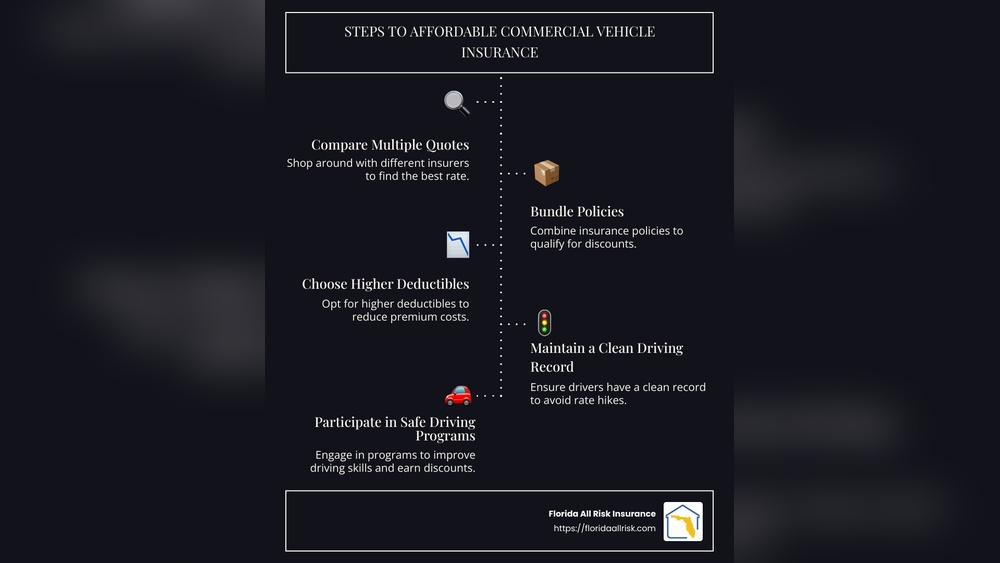
Safety and training programs reduce accidents and claims. Teach drivers good habits. Regular safety meetings help keep rules fresh. Training lowers risks and insurance costs.
Maintaining vehicles regularly prevents breakdowns and costly repairs. Check brakes, tires, and engines often. Well-kept vehicles last longer and lower claims.
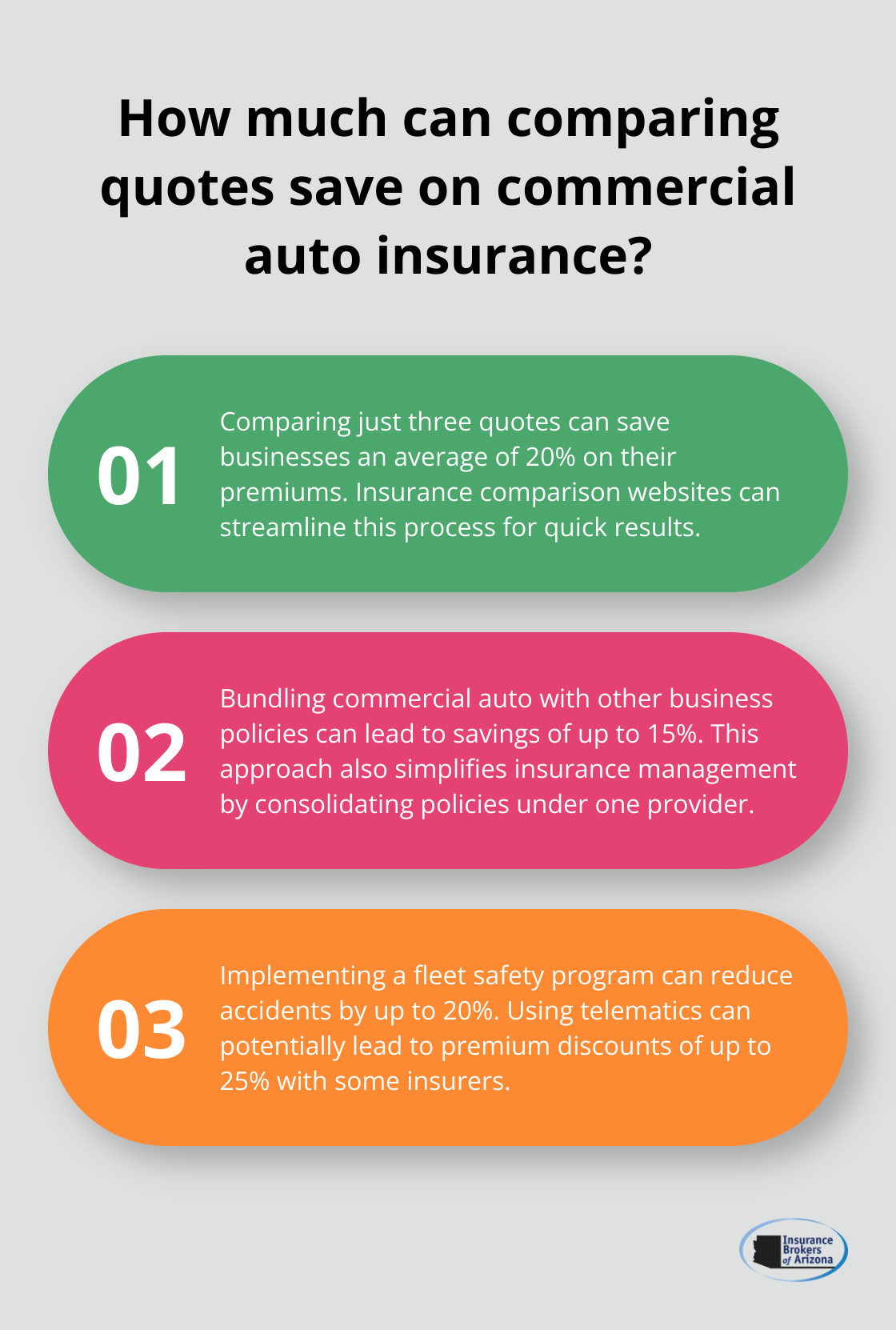
Bundling policies means buying multiple insurance types from one company. This often gives better rates. Ask for discounts on combined insurance plans.
Choosing appropriate deductibles can lower premiums. Higher deductibles mean lower monthly costs. Pick a deductible you can afford to pay if needed.
Common Mistakes To Avoid When Comparing Quotes
Carefully check coverage details. Sometimes, cheap quotes lack important protections. Look for limits on liability, collision, and comprehensive coverage. Missing these can cause big expenses later.
Read policy exclusions. These are situations not covered by insurance. Overlooking them can leave you paying out of pocket for some claims.
Keep fleet info updated. Add or remove vehicles as needed. Wrong data can cause wrong quotes or denied claims.
Don’t pick based only on price. Cheapest options may have weak coverage or high deductibles. Balance cost with coverage quality for best value.
Emerging Trends In Fleet Insurance
Telematics helps track driving habits and vehicle use. It lets insurers offer usage-based insurance, which can lower premiums. Drivers who are safer or use vehicles less pay less. This technology improves fleet safety and reduces costs.
Autonomous vehicles are changing fleet insurance. Insurance must cover new risks from self-driving technology. Fleets with these vehicles may see different pricing based on their safety record. Insurers are still learning how to price this coverage.
Green fleet coverage supports sustainability. Insurers now offer discounts for electric or hybrid vehicles. This helps companies save money and reduce their carbon footprint. It also encourages fleets to switch to cleaner vehicles.

Frequently Asked Questions
What Not To Tell Your Insurance Company?
Avoid lying or hiding facts about accidents, claims, or vehicle use. Don’t admit fault or provide unnecessary details. Keep personal opinions and unrelated info private.
Who Has The Cheapest Commercial Insurance?
Progressive, GEICO, and Nationwide often offer the cheapest commercial insurance. Prices vary by business size, vehicle type, and coverage needs. Compare quotes online for the best deals.
How Much Does A $1,000,000 Liability Insurance Policy Cost?
A $1,000,000 liability insurance policy typically costs between $400 and $1,500 annually. Prices vary by industry, location, and risk factors.
Is It Better To Have A $500 Deductible Or $1000?
A $500 deductible means higher premiums but lower out-of-pocket costs after a claim. A $1000 deductible lowers premiums but increases your risk. Choose based on your budget and risk tolerance.
Conclusion
Comparing commercial fleet quotes saves money and time. Choose the best policy for your business needs. Don’t settle for the first offer you see. Check coverage details carefully before deciding. A well-chosen insurance plan protects your vehicles and drivers. Regularly reviewing quotes keeps your fleet costs low.
Smart comparisons help your business stay safe and budget-friendly.
Read More
- Business Liability Quote Online: Get Instant, Affordable Coverage Today
- Condo Insurance Quote Comparison: Save Big with Smart Choices
- Free Policy Quote Estimate: Unlock Savings with No Hassle!
- Best Premium Quote Comparison: Unlock Top Savings Today
- Commercial Insurance Quote Comparison: Find the Best Deals Fast
- Contractor Insurance Quote Estimate: Get Fast, Affordable Coverage Today
- Professional Indemnity Quote: Get Accurate, Fast, and Affordable Today
- Classic Auto Quote Estimate: Get Accurate, Fast & Free Today!
- Landlord Insurance Quote Online: Quick, Affordable Coverage Today
- Same Day Insurance Quote: Get Instant Coverage Today!